How to Choose the Right Bag for Every Outfit
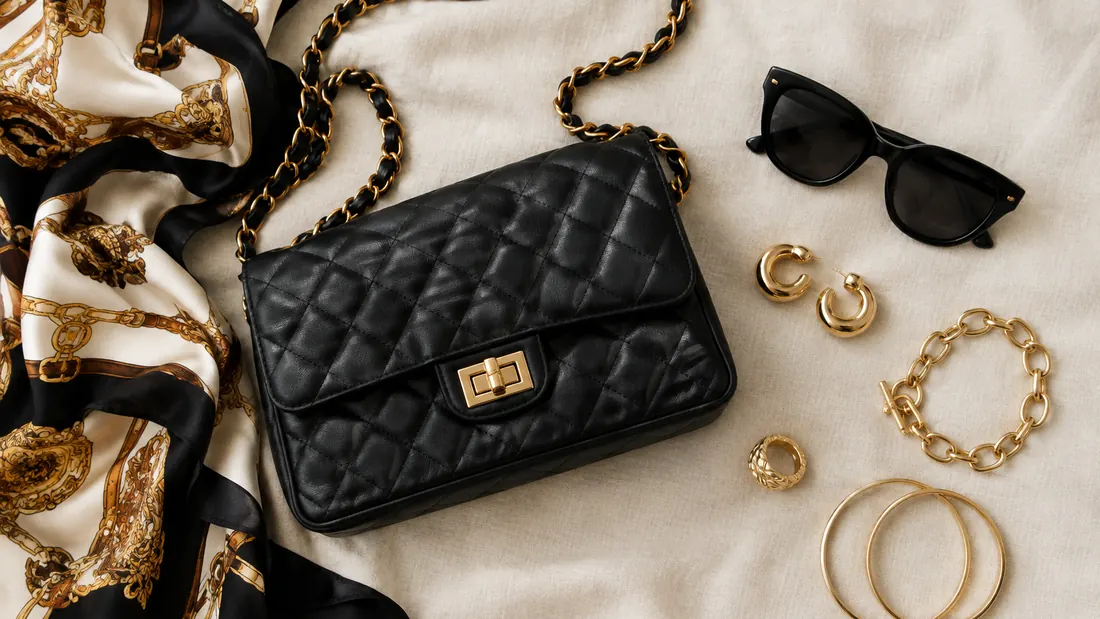
The most common styling mistake is a bag that fights its outfit's scale. Petite frames and slim silhouettes flatter with smaller structured bags; long flowy looks carry oversized totes and slouchy hobos beautifully. Before color or brand, ask: does this bag's size echo my outfit's proportions? When the scale works, almost any color will.
You do not need thirty bags - you need five that cover a week of life:
Build these five slowly in quality leather and every outfit has an answer.
Two approaches work, and they can coexist in one closet. Match tones: cream bag with neutrals, black with black, tan with denim - quiet, expensive-looking, impossible to get wrong. Or contrast deliberately: a cognac bag against all-grey, a black structured bag with summer white. The outfits that fail are the accidental ones - a busy print with a busy bag, or four competing neutrals. When in doubt, echo a color already in the outfit.
Evening events read better with small, structured or embellished bags - a crystal clutch catches light and conversation. Work calls for bags that stand upright and hold shape on a table. Travel wants crossbody security and zippers. The fastest test: picture yourself sitting down, standing in a crowd, and juggling a coffee. The right occasion bag makes all three easier.
Gold hardware warms autumn and earth palettes; silver complements cool tones and grey. Match your bag's hardware loosely to the jewelry you wear most and the whole look reads intentional. Mixed hardware is fine - matching is for showrooms, not real life - but a closet dominated by one metal makes getting dressed faster.
The fastest way to understand bag choice is to restyle one outfit three ways. Jeans and a white shirt become weekend with a canvas tote, date-ready with a chain crossbody, and office-sharp with a structured top-handle. Same clothes, three different messages. That is the power sitting in your closet already.
Buy the bag for the life you actually live - the outfits are already waiting.
Most people dress first and grab a bag last; stylists often work the other way. Start with the bag you want to wear - the one that makes you feel put together - and build outward: its metal sets the jewelry, its formality sets the shoes, its color sets the palette. This works because a bag is the hardest element to swap mid-day; clothes are easier to adjust around a fixed anchor than the reverse.
The hardest days are the ones that start at the gym and end at dinner. The solution is layering bags rather than compromising on one: a tote that carries the gym kit with a small pouch inside that becomes the dinner bag. The tote waits in the car or a locker; the pouch holds phone, cards and lipstick. Two bags, one decision made in the morning, no duffel at the restaurant.
Wardrobes shift light and dark with the seasons, and bags should follow: cream, tan and canvas read spring and summer; black, burgundy and brown carry fall and winter. This is not a rule - a black bag works in July - but rotating two or three bags seasonally keeps every piece feeling fresh and spreads wear evenly across the collection. It is also the easiest 'new wardrobe' feeling available: same outfits, different anchor.
Browse our shoulder bags, crossbodies and totes to find the piece your wardrobe is missing.
Stand at full length in the mirror with the bag worn as you will actually wear it - on the shoulder, not in hand for the photo. Check three things: where the bag hits (hip bone for crossbodies, elbow for totes), whether the strap adjusts to your height, and whether the color reads with the whole outfit or just the top half. Thirty seconds in the mirror prevents a day of adjusting a bag that fights you.
Ready to get to work? Shop the collection - free US shipping, tax free.